Libraries
780+ HR templates
Everything your business needs to stay compliant
Policies, contracts, letters, guidance and HR support tools for UK employers.
View full libraryPolicies, contracts, letters, guidance and HR support tools for UK employers.
View full libraryThis Employee Data Privacy Notice explains how an organisation collects, uses, stores and shares personal information about its employees and workers. It provides clear information about the types of data processed, why it is used, who it may be shared with, how long it is retained and the rights individuals have.
Use this notice to:
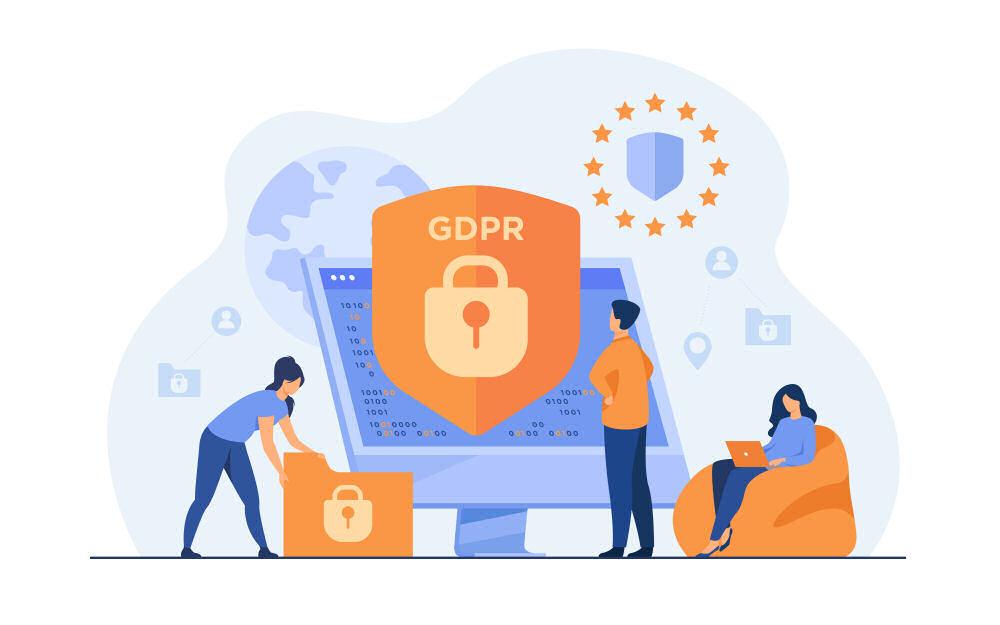
If you need to manage employee communications consistently, the toolkit brings together practical HR templates covering preparation, communication, questions, messages and follow-up.
This template brings together the key information, sections and considerations you need to create a clear, comprehensive and professional HR document. Preview the document below.
1. About this notice
[Company Name] is committed to protecting the privacy and security of personal information relating to our employees and workers.
This Employee Data Privacy Notice explains how we collect, use, store and share personal information about you during and after your working relationship with us.
It explains the types of personal information we may process, why we use it, the lawful bases on which we rely, who we may share it with, how long we may keep it and the rights available to you.
This notice does not form part of your contract of employment or any other contract with [Company Name]. We may update this notice from time to time where our processing activities, systems, legal requirements or business arrangements change.
Where we introduce a particular processing activity that requires more specific information, we may provide additional privacy information, a separate notice or a just-in-time privacy notice.
2. Who is responsible for your personal information?
[Company Name] is the data controller responsible for deciding how and why your personal information is processed.
Our contact details are:
| Organisation | [Company Name] |
| Address | [Company Address] |
| [Email Address] | |
| Telephone | [Telephone Number] |
| Data Protection Lead / DPO | [Name / Job Title / Contact Details] |
3. What personal information do we collect?
Depending on your role, circumstances and our relationship with you, we may collect and process different categories of personal information, including:
4. Special category information
In certain circumstances, we may process special category information where this is necessary and lawful.
This may include information relating to:
You've seen 20% of how the Employee Data Privacy Notice template is structured. Get the complete editable template instantly and customise it for your organisation.

Employers collect and use significant amounts of personal information throughout the employment relationship, from recruitment and payroll through to absence, performance, training, employee relations and leaving the organisation. This notice provides employees and workers with clear information about how that information is handled.
The notice identifies the main categories of information an employer may hold, including contact details, employment records, payroll information, attendance, performance, training, disciplinary and grievance information, and relevant health or other special category information.
Employee information may be processed for a range of employment, legal, operational and business purposes. The notice explains these purposes and identifies the relevant lawful basis rather than relying on a general statement that information is simply needed for employment.
Where the organisation monitors employees, for example through access control, CCTV, work systems, email, communications or other technology, the notice should explain the nature and purposes of that monitoring. The ICO emphasises that workers should be told about monitoring and that it should be necessary and proportionate.
The notice explains the circumstances in which employee information may be shared with third parties such as payroll providers, pension providers, insurers, professional advisers, occupational health providers, government bodies and other service providers. It also explains how retention periods are determined.
Employees should understand the rights available to them in relation to their personal information and how they can exercise those rights. The notice also explains how concerns can be raised internally and how an individual can complain to the Information Commissioner’s Office.
Use these best practice actions, recommended timescales and process stages to understand when and how the Employee Data Privacy Notice should be used, helping ensure each step is handled consistently and appropriately documented.
Understand the common mistakes to avoid when using this HR template, helping you reduce risk, prevent unnecessary costs and ensure the process is handled correctly.
The notice should be provided when the organisation collects personal information from the employee and should remain readily accessible throughout the employment relationship. Where personal information is obtained from another source, different timing requirements may apply.
No. A privacy notice explains how and why information is processed; it does not itself create a requirement for consent. The organisation should identify the appropriate lawful basis for each processing activity. Consent may be appropriate for some activities but is not automatically appropriate for ordinary employment processing.
Yes, where monitoring takes place. The notice should explain relevant monitoring activities and their purposes. Depending on the nature of the monitoring, separate policies or just-in-time privacy information may also be appropriate.
No. The notice can describe appropriate categories of personal information, provided the description is sufficiently clear to tell employees what information is collected and used. More specific privacy information can be provided for particular activities where necessary.
It should be reviewed regularly and whenever there is a material change to the organisation’s processing. In particular, it should be reviewed before introducing new HR systems, monitoring technologies, significant data sharing arrangements or other substantially different processing activities.
HRDocBox templates provide a structured starting point based on UK HR practice and data protection requirements. They bring the key employment considerations together in a practical format that can be adapted to the organisation, while recognising that employers remain responsible for ensuring their final privacy information accurately reflects their actual processing activities.
How this content is developed and reviewed
The Employee Data Privacy Notice template is developed using a practical HR methodology that considers current UK employment legislation, ACAS guidance, CIPD good practice and the real-world HR process it supports. Templates and supporting information are regularly reviewed and updated, with additional reviews triggered by significant changes to legislation, guidance or established HR practice, helping ensure each document remains practical, relevant and suitable for UK employers.
Darryl Horn, Chartered HR Director
Darryl is a Chartered HR professional with over 25 years' experience in senior HR and employee relations roles.
He has extensive practical experience of managing employee communication HR processes and founded hrdocbox to provide businesses with practical, professionally developed HR resources grounded in UK employment law and best practice.
HRDocBox has been creating practical UK HR documents since 2009.
"Darryl provides support and advice with excellent judgement, and has a strong understanding of people, policies and UK employment legislation."
"He is someone I trust; consistent, dependable, and committed to doing things properly."



















Whether you employ 5 people or 50, hrdocbox gives you the structure, documents and expertise needed to manage employees professionally and legally.
Professionally written and fully compliant with UK employment law
Access a free contract template instantly - or save 10% on any document today.
Use this code at checkout for 10% off anything!
Includes instant download, updates, and full access to your HR templates.